Eyesight and Safe Driving at Night
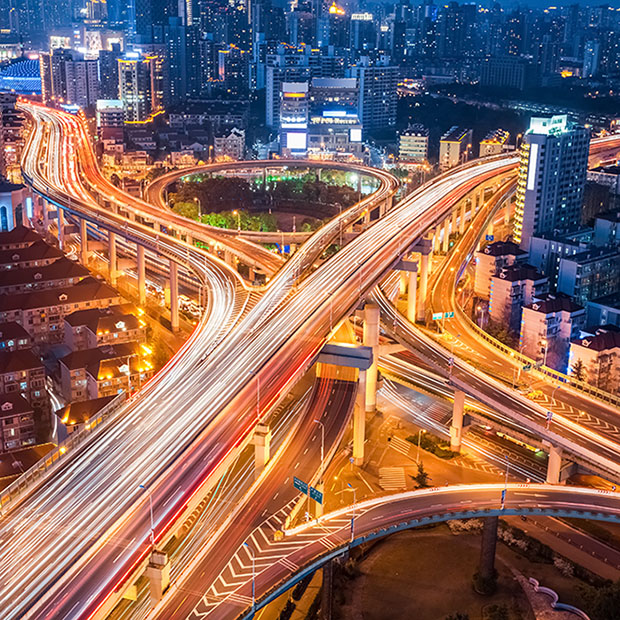
Driving after dark presents unique challenges that many people underestimate.
While nighttime traffic is typically lighter, the reduced visibility significantly increases accident risk. Understanding how your eyes work in low-light conditions can help you stay safer on the road.
The Science Behind Night Vision
Your eyes contain two types of photoreceptor cells: cones and rods. Cones handle daytime vision and color perception, while rods manage low-light situations. When darkness falls, your eyes need several minutes to fully adjust as the rods take over. This adaptation period means you might struggle to see clearly when first leaving a brightly lit area.
The pupils also dilate in darkness to allow more light into the eye. However, this natural response has limitations. As we age, our pupils become less responsive and don’t dilate as widely, reducing the amount of light reaching the retina. This explains why many older drivers feel less confident behind the wheel after sunset.
Common Nighttime Vision Problems
Several vision issues become more pronounced when driving at night. Glare from oncoming headlights can temporarily blind you, especially if you have cataracts or astigmatism. This scattered light creates halos and starbursts around light sources, making it difficult to judge distances and spot pedestrians.
Reduced contrast sensitivity also affects nighttime driving. The ability to distinguish objects from their background decreases in dim conditions, making it harder to see road edges, lane markings, and other vehicles. People with uncorrected refractive errors like nearsightedness often notice this problem worsens dramatically after dark.
Depth perception naturally declines without adequate lighting. Your brain relies on visual cues to judge how far away objects are, and these cues diminish at night. This can lead to misjudging the speed of approaching vehicles or the distance to the car ahead.
Protecting Your Vision for Safer Night Driving
Regular comprehensive eye exams are essential for safe nighttime driving. Many vision problems develop gradually, and you might not realize your eyesight has deteriorated until you’re struggling on dark roads. An optometrist can detect issues early and provide corrective solutions.
- Keep your windshield and headlights clean, inside and out. Dirty glass amplifies glare and scatters light, further compromising your vision. Replace worn wiper blades promptly to maintain clear visibility during rain.
- If you wear glasses, consider anti-reflective coating. This treatment reduces glare from headlights and street lamps while improving contrast. Some people also benefit from prescription adjustments specifically optimized for nighttime use.
- Avoid looking directly at oncoming headlights. Instead, focus on the right edge of your lane. If glare becomes overwhelming, slow down and pull over safely until your vision recovers.
- Finally, be honest about your limitations. If night driving has become stressful or you’ve had close calls, schedule an eye exam. Your optometrist can evaluate whether vision correction might help or if limiting nighttime driving is the safest choice.
Always Prioritize Safety on the Road
Your eyes are your most important tool for safe driving. Taking care of them through regular checkups and following these precautions can help ensure you reach your destination safely, regardless of the hour.