Exercising and Improving Your Visual Skills
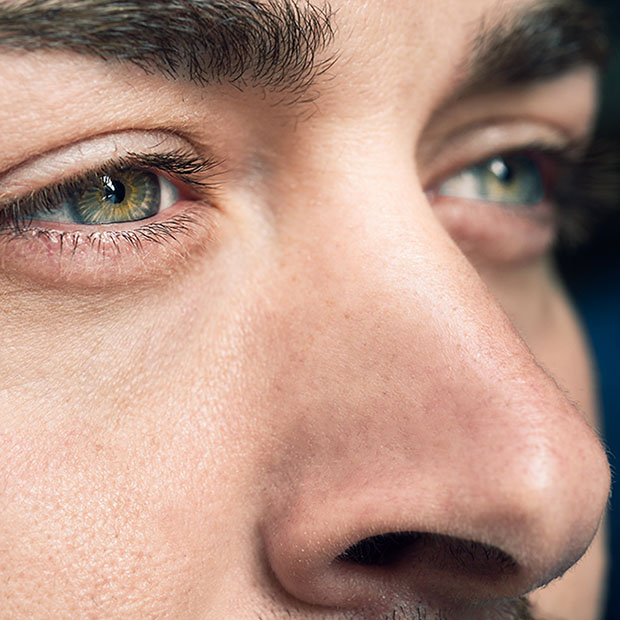
Most people know that regular exercise keeps the body strong and healthy.
Fewer people realize that your eyes and visual system can be trained and strengthened too. Visual skills go far beyond simply seeing clearly at a distance. They include how well your eyes work together, how quickly you can focus, how accurately you track moving objects, and how efficiently your brain processes what you see. The good news is that many of these skills respond well to practice.
What Are Visual Skills?
Visual skills are the abilities your eyes and brain use together to make sense of the world. Some key examples include:
- Eye teaming (binocularity): The ability of both eyes to aim at the same point and work as a coordinated pair.
- Focusing (accommodation): The ability to shift focus quickly and clearly between near and far objects.
- Eye tracking: The ability to move your eyes smoothly and accurately across a page or while following a moving object.
- Visual processing: How efficiently your brain interprets and responds to visual information.
These skills are especially important for reading, learning, sports performance, and many workplace tasks. When they are weak or poorly coordinated, people often experience headaches, eye strain, blurry vision, or difficulty concentrating.
Simple Exercises to Try at Home
While a trained optometrist should always evaluate and guide any vision therapy program, there are some general exercises that support healthy visual function for many people.
- The 20-20-20 Rule: For every 20 minutes of near work or screen time, look at something at least 20 feet away for 20 seconds. This simple habit reduces eye strain by giving your focusing muscles a regular rest.
- Pencil Push-Ups: Hold a pencil at arm’s length and slowly bring it toward your nose, keeping your eyes focused on the tip for as long as possible. Stop when you see double, then move it back out. Repeating this several times a day can help strengthen eye teaming for close-up tasks.
- Near-Far Focus Shifting: Choose two objects, one close and one across the room. Alternate your focus between them, pausing on each for a few seconds. This trains the muscles responsible for focusing speed and flexibility.
- Eye Tracking Practice: Follow a slowly moving object with your eyes without moving your head. A finger, a pendulum, or a slowly rolling ball all work well. Smooth and accurate tracking is important for reading and sports.
When to See a Professional
Home exercises can support good visual health, but they are not a substitute for professional care. If you or your child experiences frequent headaches, difficulty reading, skipping lines, losing place while reading, or trouble with depth perception, it is worth scheduling a comprehensive eye exam. A developmental optometrist can assess specific visual skills and recommend a personalized program of vision therapy if needed.
The Bottom Line
Your visual system is adaptable. With consistent effort and the right guidance, many visual skills can be improved at any age. Pairing regular eye exams with healthy visual habits and targeted exercises is one of the best investments you can make in your long-term sight and overall quality of life.