Healthy Vision Goes Beyond 20/20
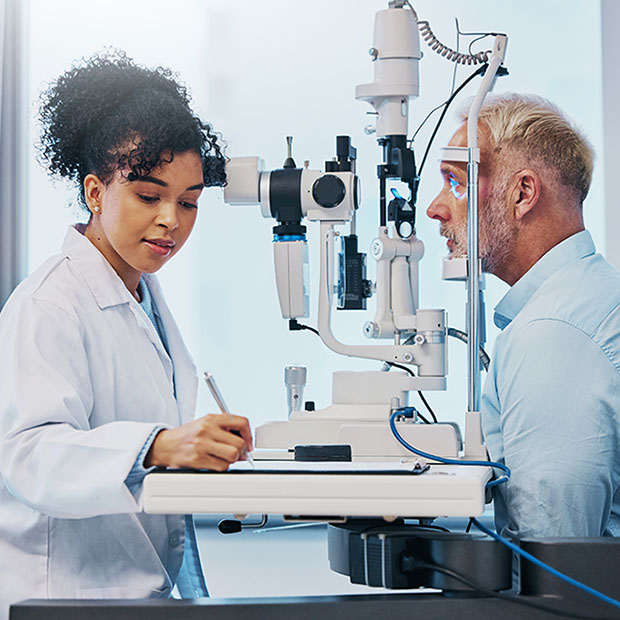
When people think about eye health, they picture that familiar chart on the wall.
But passing a basic acuity test with 20/20 vision tells only part of the story. Clear central vision is important, yet it is just one piece of a much larger picture that includes peripheral vision, color perception, depth perception, eye coordination, and the long-term health of the structures inside your eyes.
Understanding this broader view of vision can help you take better care of your eyes and recognize when something deserves a closer look.
What 20/20 Actually Measures
The 20/20 standard refers to how clearly you can see details at a distance of 20 feet compared to someone with “normal” vision. It is a useful benchmark, but it says nothing about how well your eyes work together, how quickly they adjust to changing light, or whether the retina and optic nerve are functioning properly. Two people can both have 20/20 vision and still have very different overall eye health.
The Bigger Picture of Eye Health
A comprehensive eye exam looks well beyond the acuity chart. Eye care professionals assess:
- Peripheral vision, which affects your awareness of surroundings and plays a critical role in driving safety.
- Depth perception, which helps with everyday tasks like judging distances, parking a car, or catching a ball.
- Color vision, which can reveal certain inherited conditions or, in some cases, signal changes in eye health.
- Eye alignment and coordination, since strain or fatigue can sometimes stem from how the eyes work together rather than from focusing power alone.
- Internal eye health, including the retina, optic nerve, and blood vessels, where early signs of conditions like glaucoma, macular degeneration, and diabetic retinopathy often appear long before any symptoms are noticeable.
This is why routine eye exams matter even for people who feel their vision is sharp. Many serious eye conditions develop gradually and painlessly, making early detection through professional care the best defense against vision loss.
Everyday Habits That Support Vision
Beyond regular exams, small daily habits can make a meaningful difference in long-term eye health.
- Follow the 20-20-20 rule during screen time: every 20 minutes, look at something 20 feet away for 20 seconds to reduce digital eye strain.
- Wear sunglasses with UV protection whenever you are outdoors, since sun exposure contributes to cataracts and other long-term damage.
- Eat a diet rich in leafy greens, fish, and colorful fruits and vegetables, which supply nutrients like lutein, zeaxanthin, and omega-3 fatty acids that support retinal health.
- Stay hydrated and blink often, especially during extended periods of reading or screen use.
- Manage chronic conditions like diabetes and high blood pressure, both of which can significantly affect eye health over time.
Seeing Clearly Is Not the Same as Seeing Healthily
If it has been a while since your last full eye exam, now is a good time to schedule one. Your eyes do more for you every day than most people realize! Good vision and good eye health often go hand in hand, but they are not identical. You can see clearly and still have an underlying condition that needs attention. That is why comprehensive eye exams, not just a quick check of your acuity, are the foundation of protecting your sight for years to come.